Denver Art Museum
Translating Brand into Spatial Experience Systems
Environmental Graphics
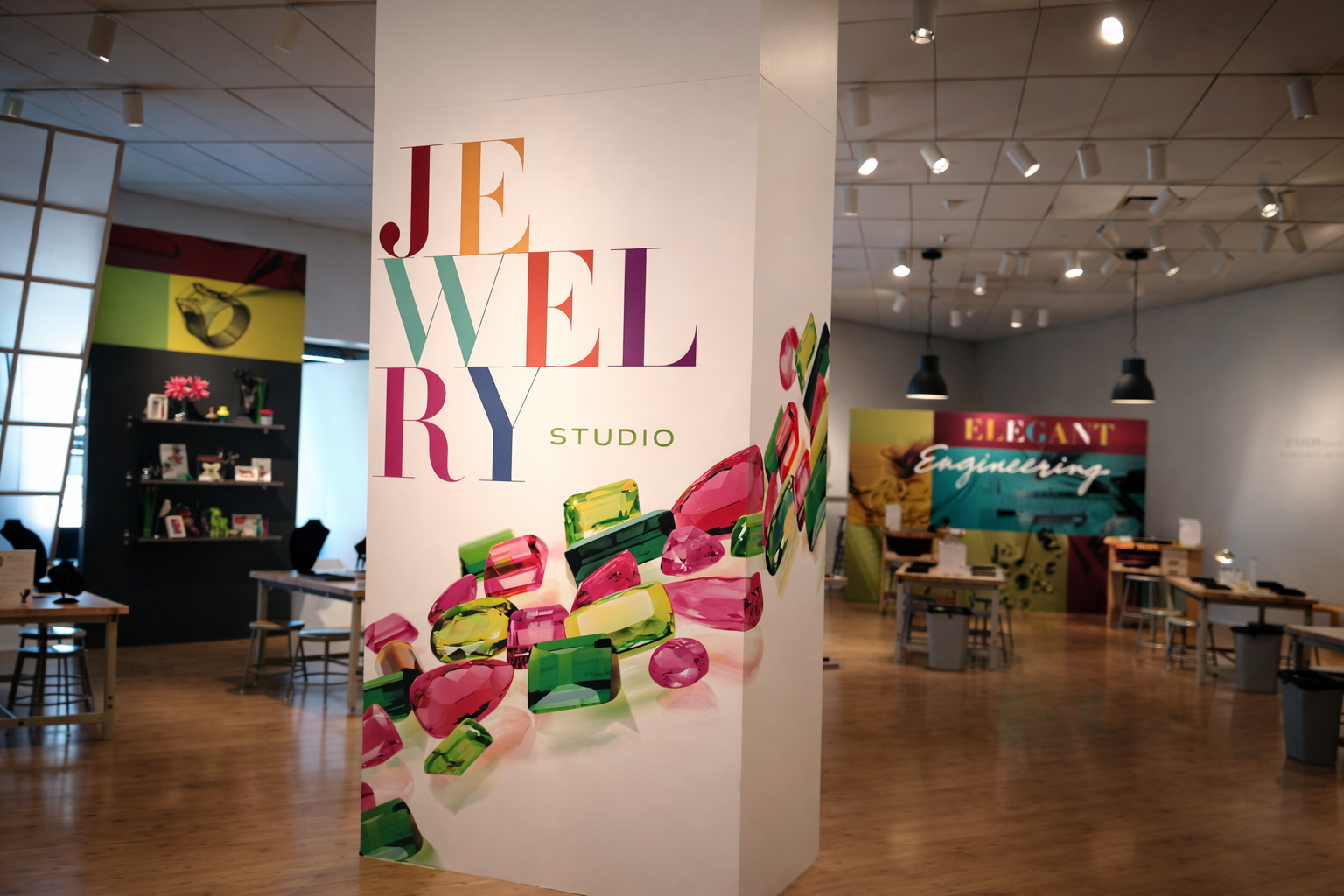
Context
The Denver Art Museum required a cohesive wayfinding and environmental graphics system that could guide visitors through complex physical spaces while maintaining alignment with the institution’s visual identity and curatorial tone.
The challenge extended beyond navigation:
How can spatial design function as both guidance system and storytelling medium—enhancing how visitors experience art, not just how they move through it?
System Opportunity
The museum environment introduced layered complexity:
Multiple galleries, exhibitions, and visitor pathways
Diverse audience types with varying levels of familiarity
The need for clarity without disrupting the artistic experience
This revealed a key opportunity:
To design a scalable environmental system that unifies navigation, brand expression, and spatial storytelling.
System Design
Spatial Brand Translation
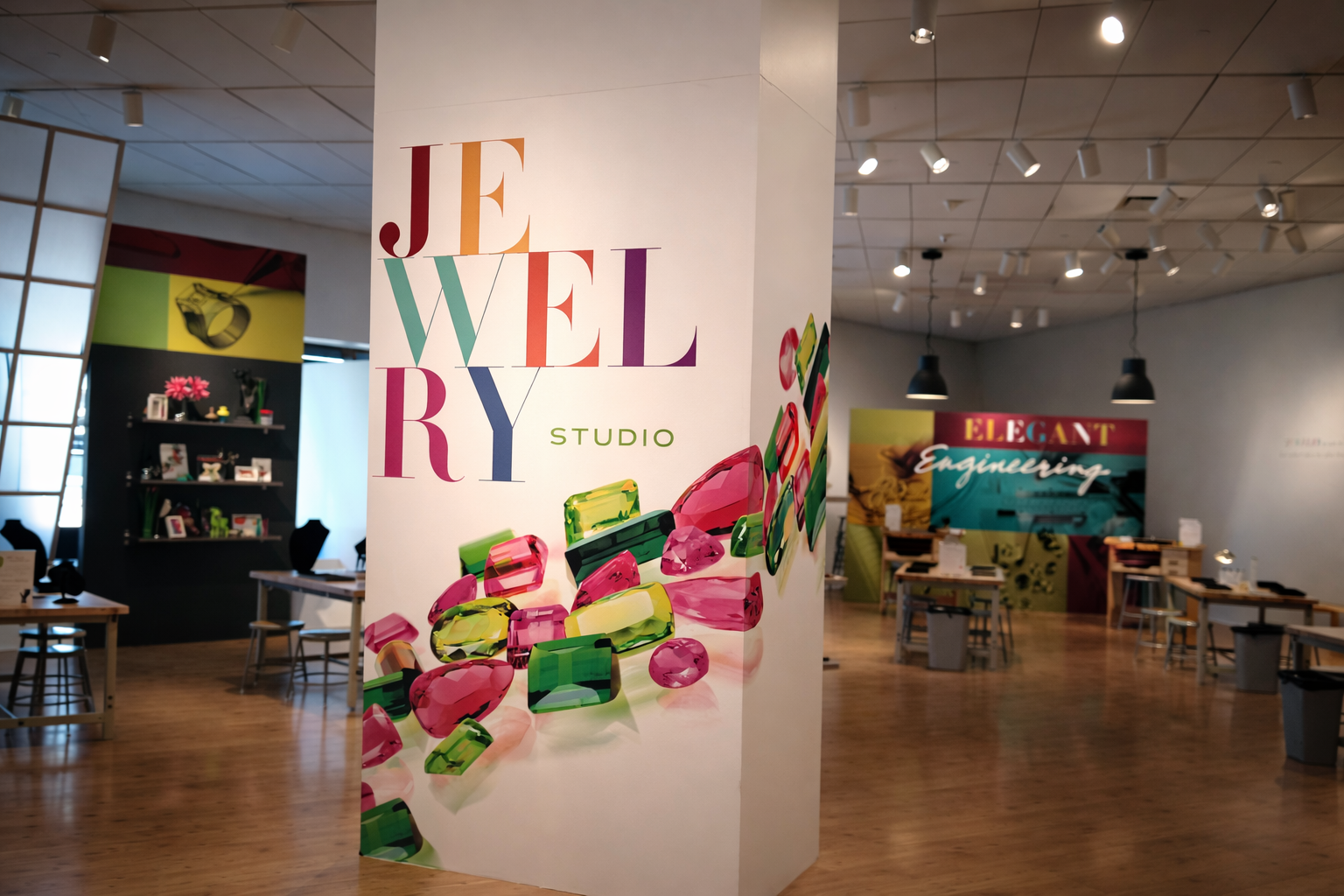
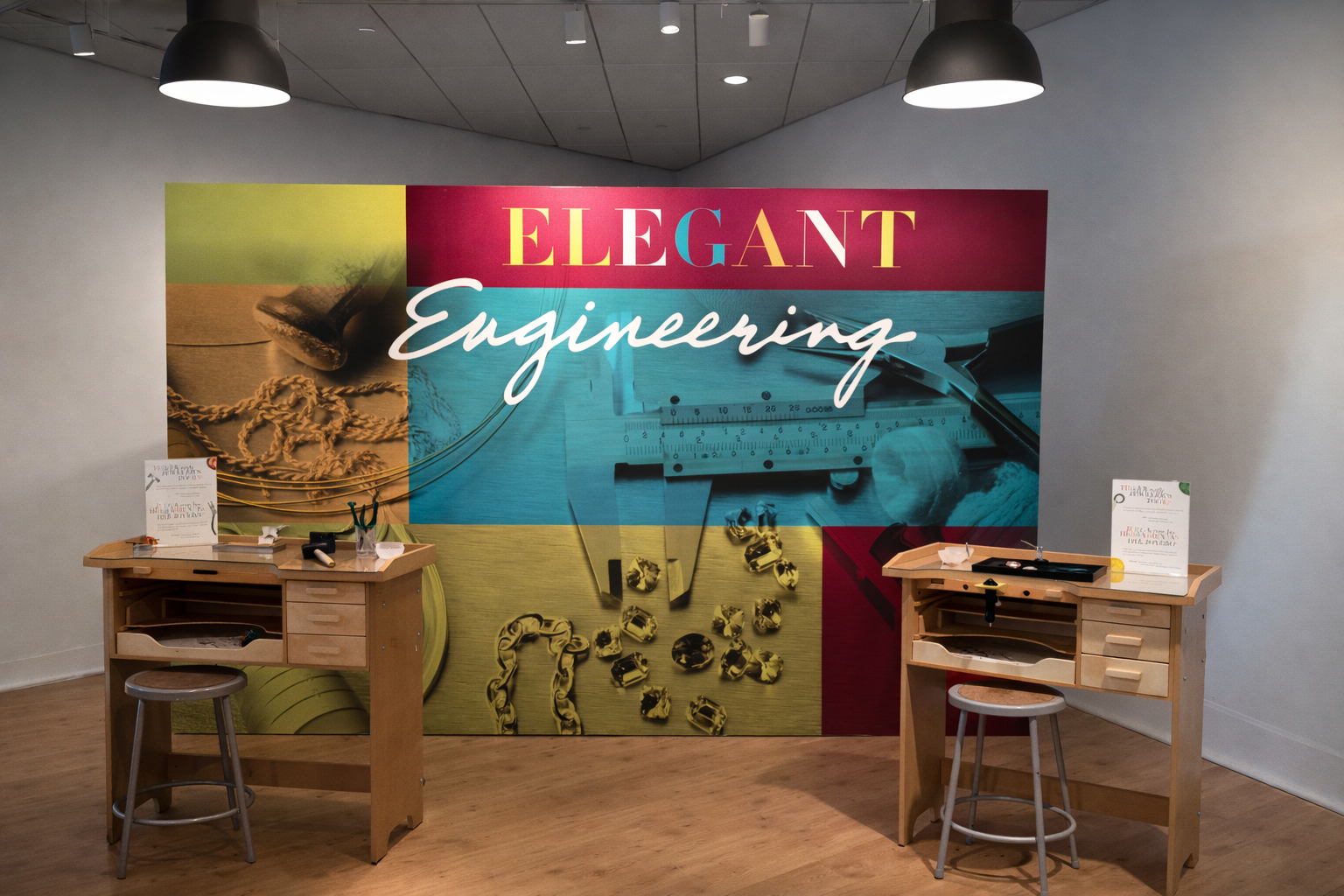
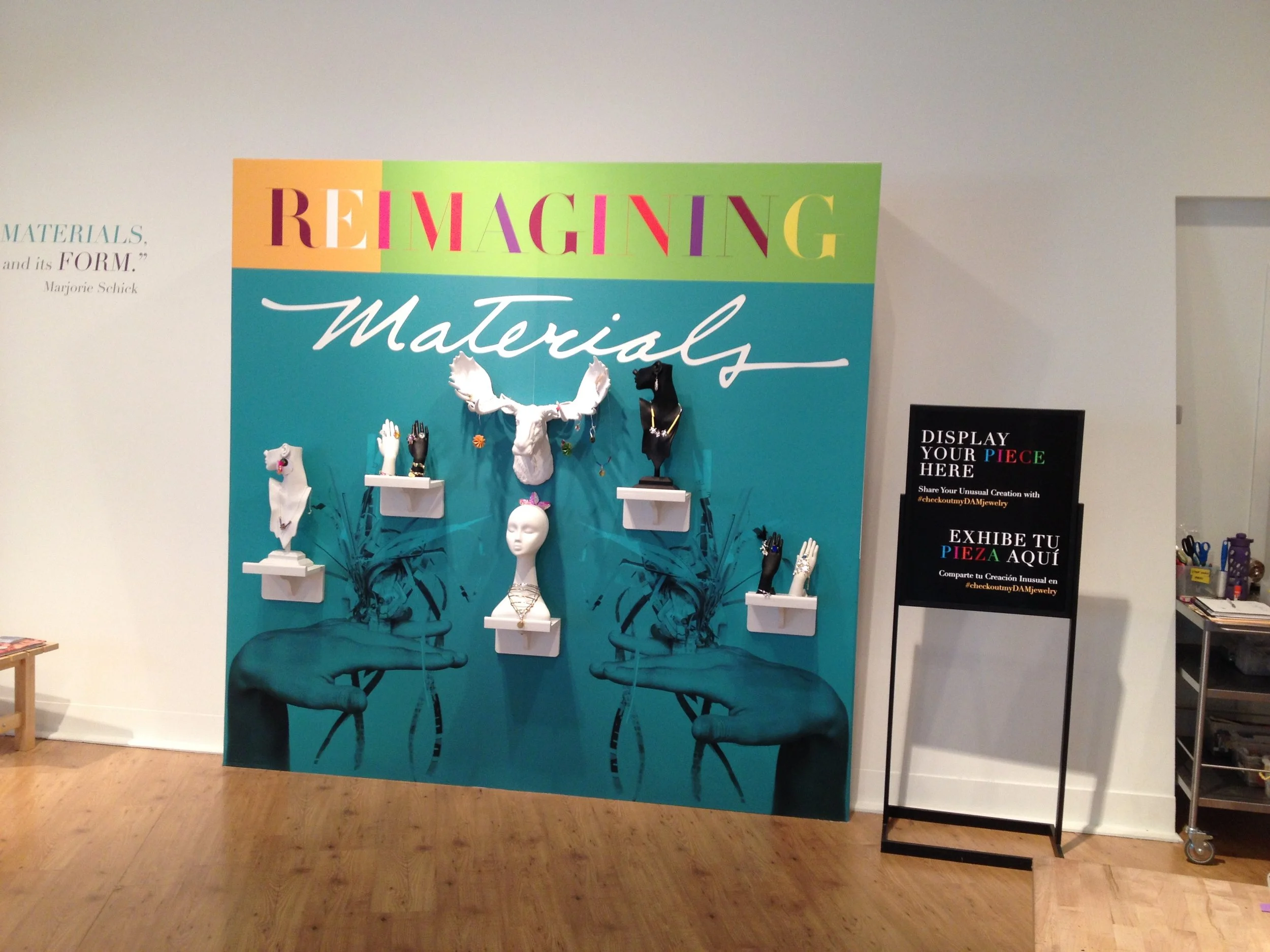
Extended brand identity into physical space through typography, layout, and material application
Created a visual language that could flex across exhibitions while maintaining consistency
Scalable System Logic
Built repeatable design rules that could be applied across changing exhibits and layouts
Ensured the system could evolve without requiring full redesigns
Cross-Disciplinary Integration
Collaborated with architects, curators, and fabricators to align design intent with physical constraints and production realities
Bridged conceptual design with real-world implementation
Environmental Wayfinding Framework
Designed a cohesive signage hierarchy to guide visitor movement intuitively
Balanced visibility and subtlety to respect the art while improving navigation
I developed a spatial brand system that translated identity into physical experience—ensuring consistency, clarity, and adaptability across the museum environment. This system included:
Creative Execution
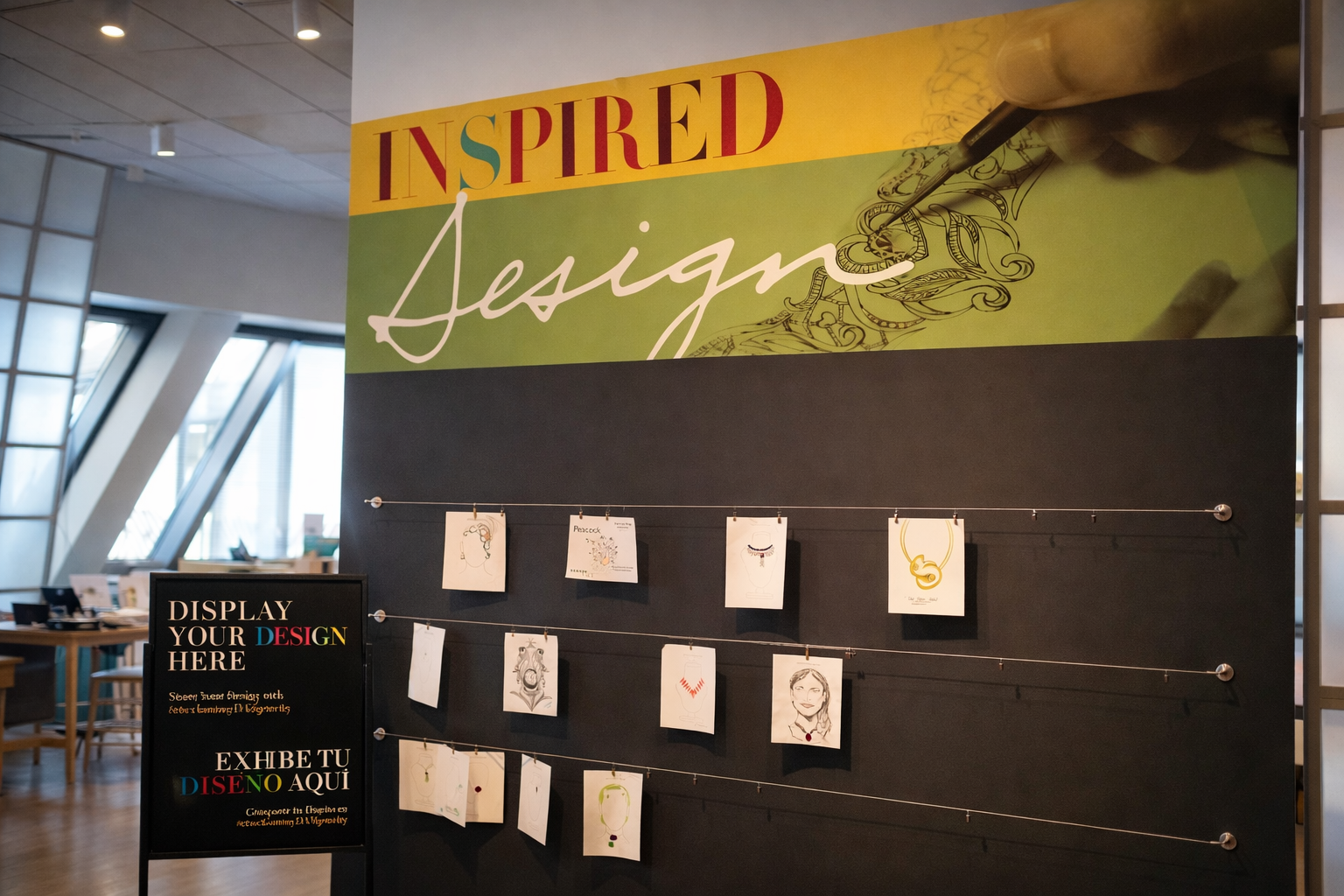
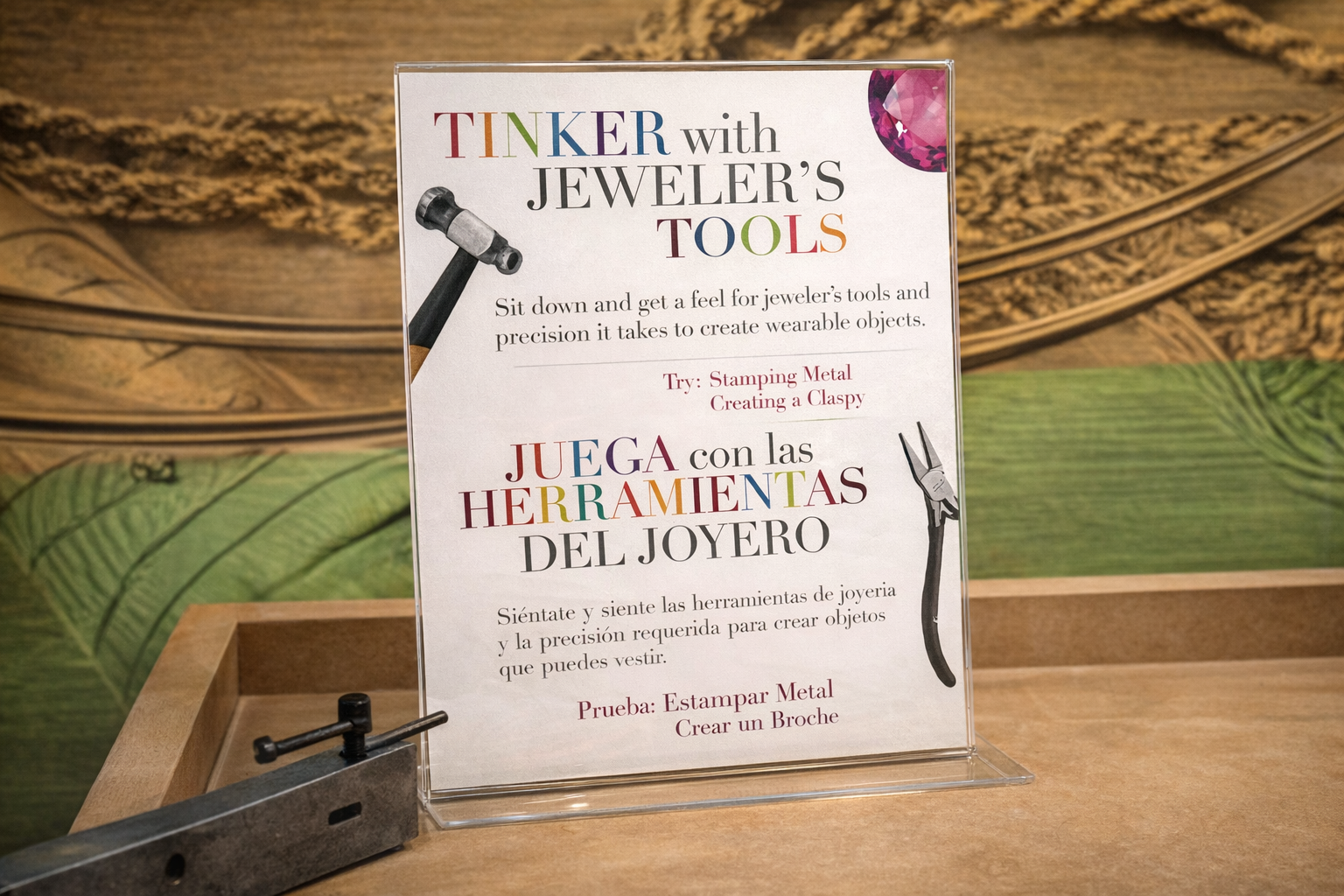
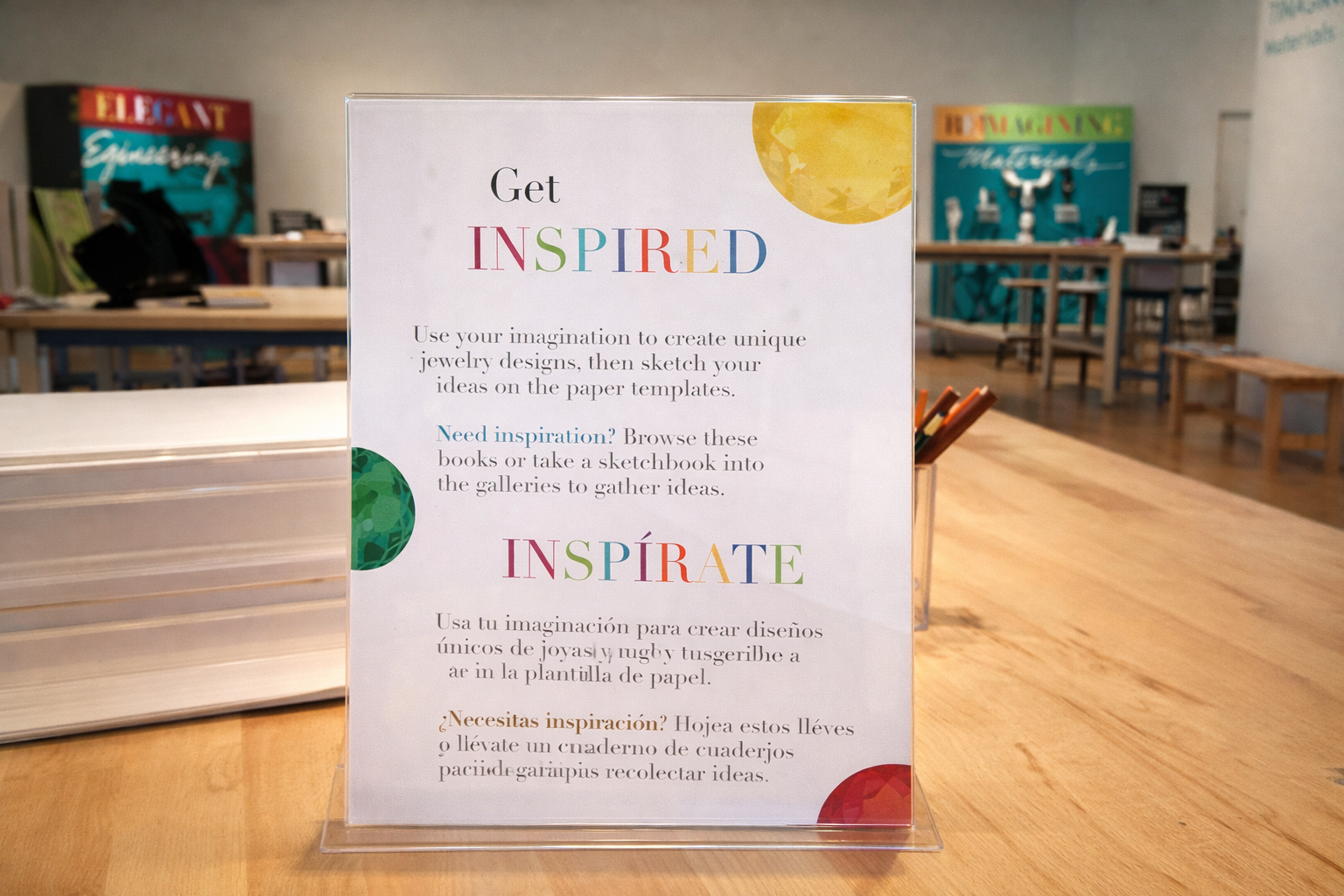
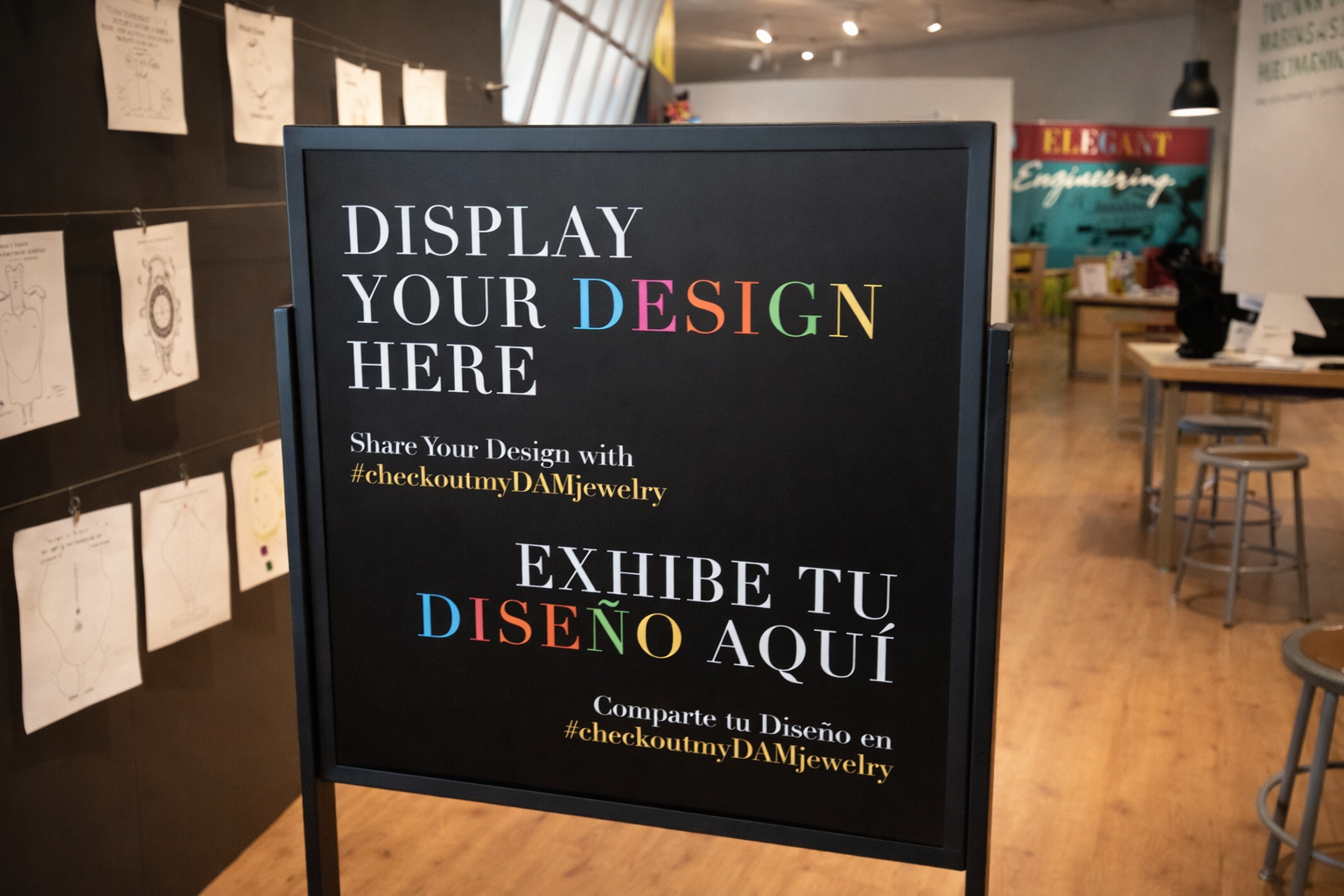
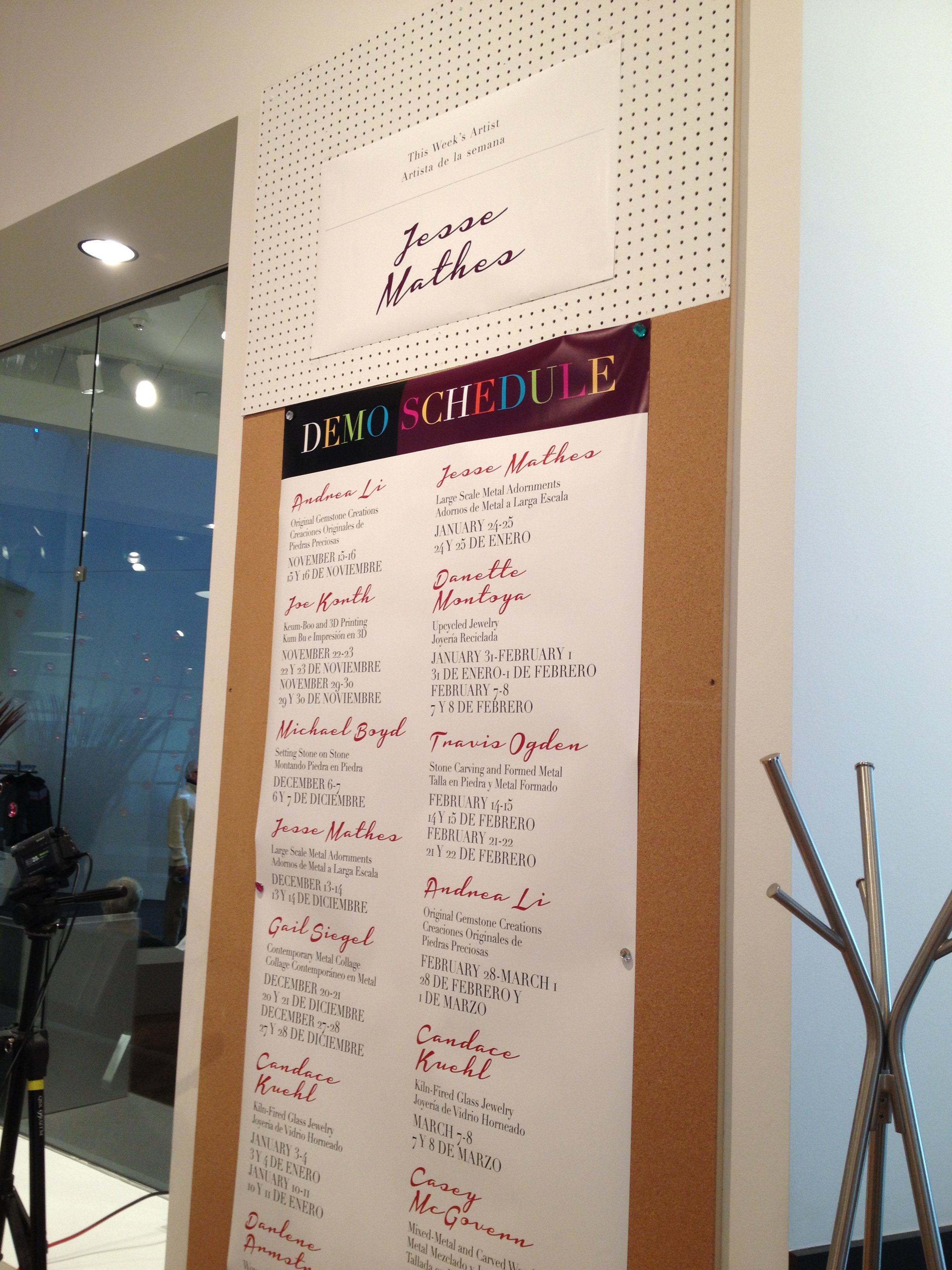
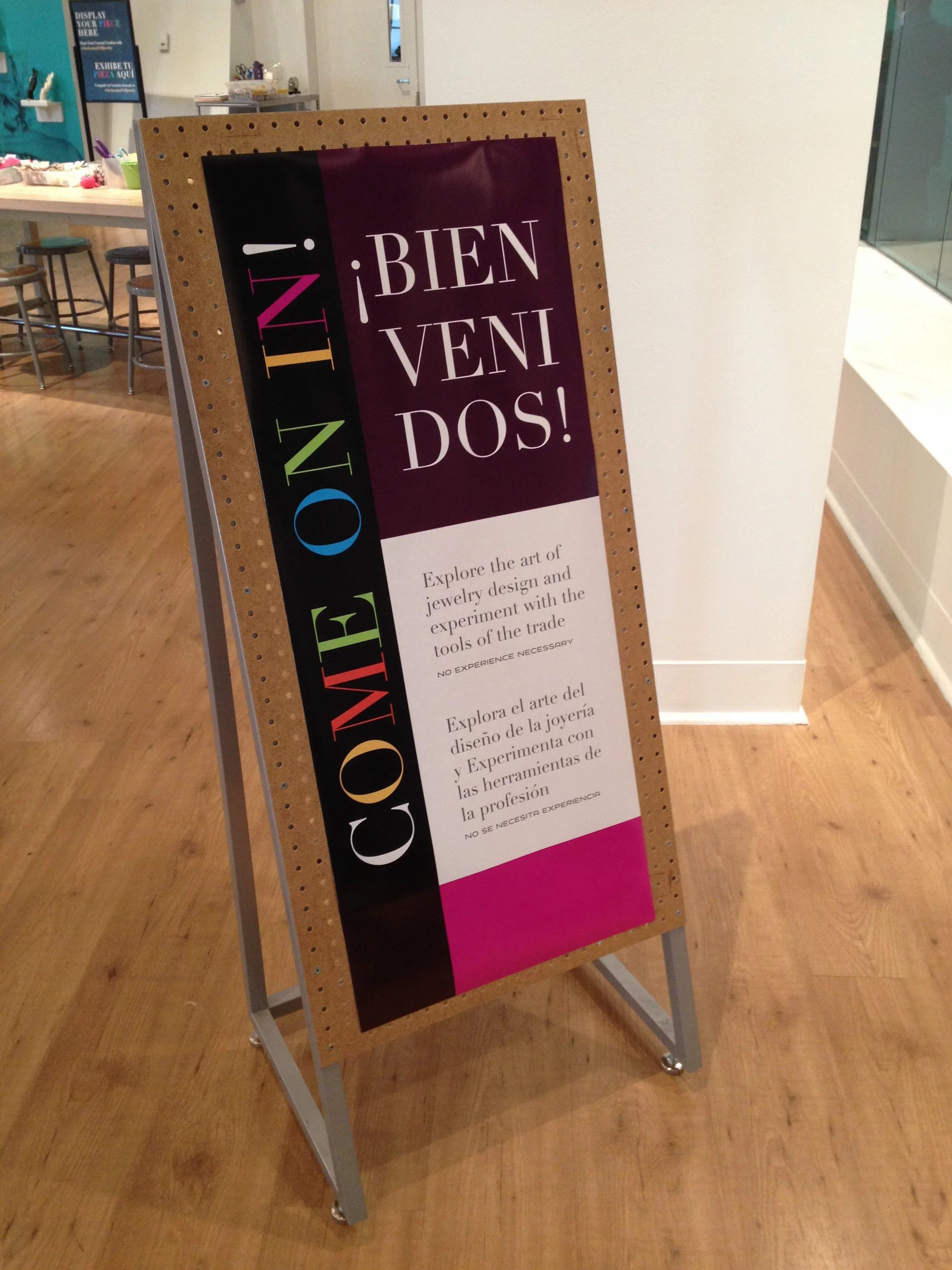
System in Space
The system was realized through:
Wayfinding Signage guiding visitors seamlessly across multiple floors and galleries
Environmental Graphics reinforcing identity while enhancing spatial orientation
Exhibition Integration allowing the system to adapt across changing installations
Each output functioned as part of a larger spatial system—not standalone design elements.
Exploration & Future Opportunities
This project establishes a strong foundation for integrating emerging technologies into spatial systems.
Future-facing opportunities include:
Interactive wayfinding systems powered by mobile or location-based technology
Augmented reality (AR) overlays to enhance storytelling within exhibitions
Dynamic digital signage that updates in real time based on programming or visitor flow
AI-assisted spatial planning to optimize layout and visitor movement patterns
The future of spatial design lies in blending physical environments with responsive, technology-driven systems.
Impact
Improved visitor navigation and overall spatial clarity
Strengthened cohesion between brand identity and physical environment
Created a flexible system adaptable to evolving exhibitions and programming
Role
Graphic Design Contractor with Ellen Bruss Design